September 17, 2026
The process of selling gold can be complex, given the fluctuating market and myriad factors that impact gold prices. To ensure you get the highest possible return on your investment from gold buyers, it's essential to understand the intricacies involved. Let's take a comprehensive look at how to sell your gold strategically and effectively. Whether you have scrap gold, coins, or jewelry, knowing how to navigate the selling process can significantly impact the price you receive.
Recognizing Different Types of Gold
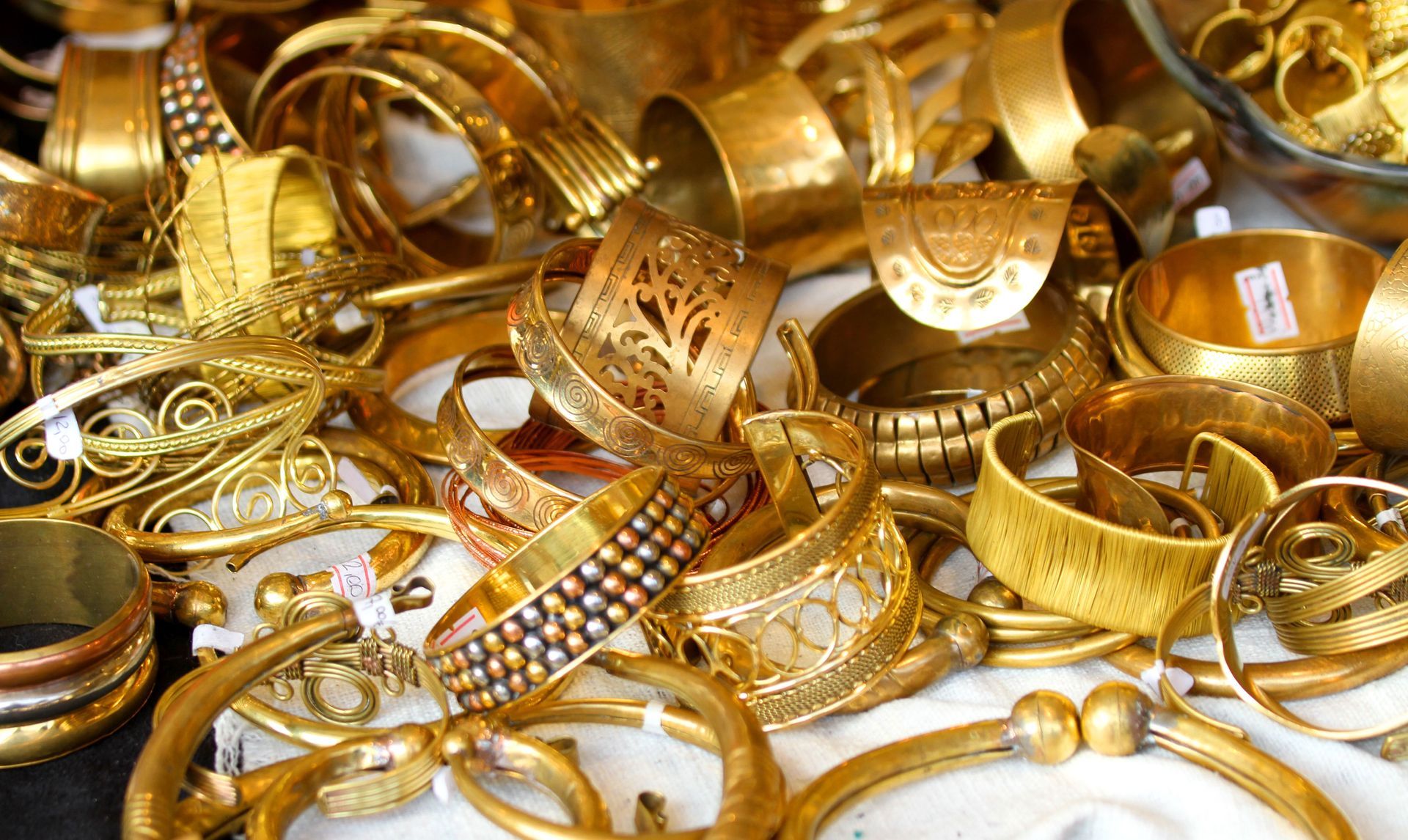
The different types of gold you might sell to gold buyers play a critical role in determining its value. There are several forms, including bullion, jewelry, coins, and scrap gold, each with distinct market values. Bullion, typically sold in bars or ingots, is often the most valuable due to its purity and easily verifiable weight. Jewelry, although it often carries sentimental value, generally fetches lower market prices because it may not be pure gold and includes craftsmanship costs. Understanding these differences ensures you can adequately anticipate offers.
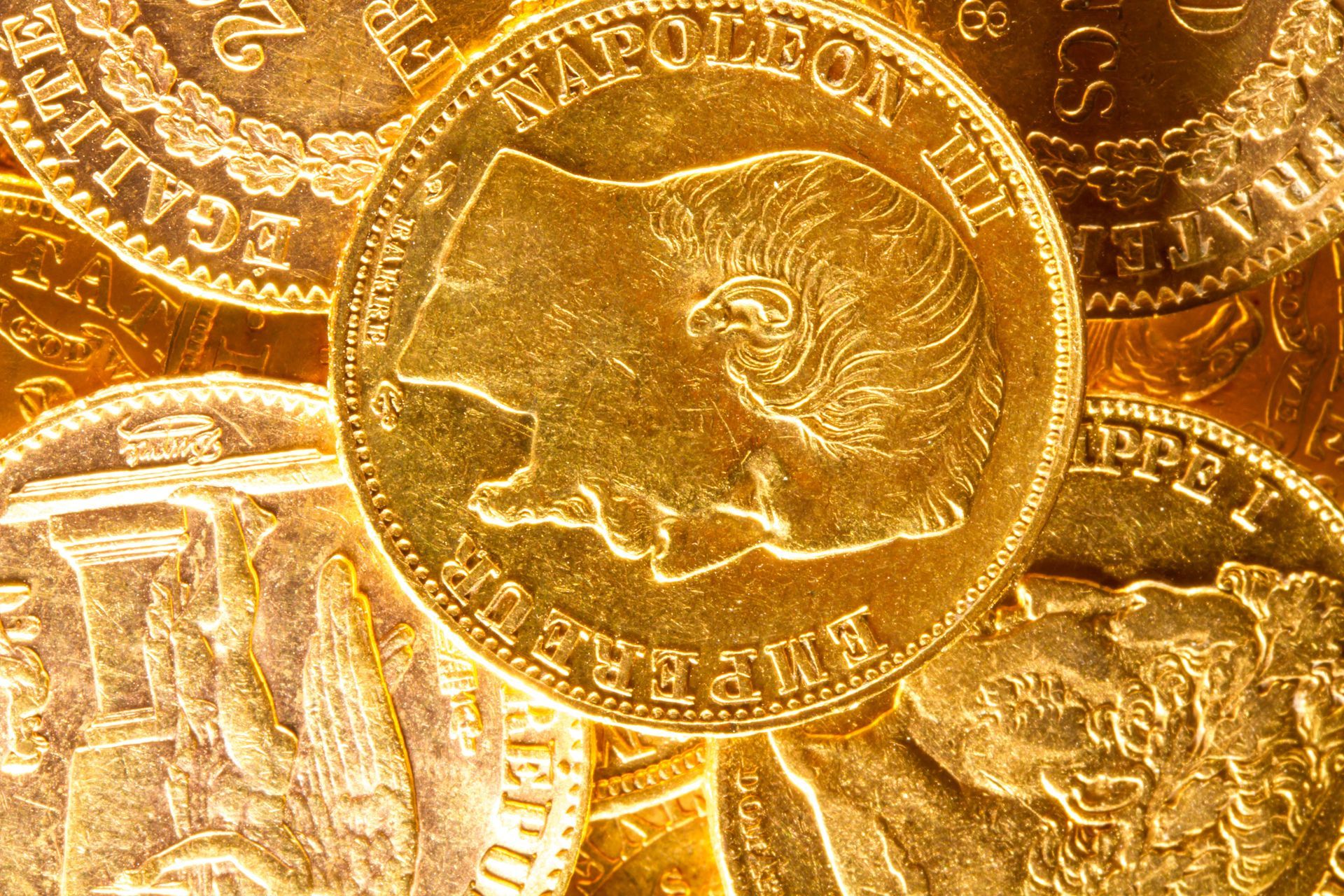
Recognizing different types of gold is not just about identifying what you have but understanding the intrinsic value of each type. Coins can sometimes fetch higher prices among gold buyers due to their rarity and numismatic value, not just their weight in gold. Rare coins may appreciate over time, and collectors might value them beyond just their gold content. Scrap gold, often from broken jewelry or outdated keepsakes, is melted down, so its value lies strictly in its gold content. Knowing the type of gold you possess allows you to present it accurately to potential buyers.
Assessing Purity and Weight
Purity and weight are vital factors in determining gold's value. Gold purity is often represented in karats, with 24 karats being pure gold. The price of gold items such as jewelry is often impacted by purity levels, being mixed with metals for durability. To maximize profit, it's important to have gold items weighed and tested for purity by professionals. This ensures an objective understanding of the item's intrinsic value.
Correctly identifying your gold's purity and accurately measuring its weight can directly impact the price. Professional appraisals provide verifiable proof of gold quality, equipping you with facts to justify your asking price. With the market placing high premiums on gold purity, slight variances can lead to considerable price differences. Therefore, having your gold independently assessed limits potential undervaluation by buyers. Verification of these attributes aids in establishing fair market value.
A common pitfall when selling gold relates to underestimating purity and weight's significance. Online gold calculators and tools can help appraise potential values. Before engaging with buyers, double-check weights and purity results against multiple appraisals. Furthermore, gold standards have evolved, especially in scenarios where gold prices reach historic levels. According to JP Morgan, gold prices posted continuous gains in 2025, surging 55% to over $4,000 an ounce, which is a reminder to base your sale decisions on solid purity and precise weights.
Staying Updated on Market Trends
Understanding ongoing market trends forms the backbone of a strategic gold sale. The gold market is famously volatile, often shifting due to an array of economic, geopolitical, and financial factors. Staying updated on these trends allows sellers to gauge the optimal moments for sales and anticipate potential market movements. This involves regularly consulting financial news, joining investment forums, and participating in market discussions. An informed seller can recognize patterns and avoid impulsive decisions based on temporary price drops or increases.
Utilizing Online Gold Calculators
Online gold calculators serve as an invaluable resource for gauging your gold's potential market sale value. These digital tools allow you to input weight, purity level, and market rates to calculate approximate sale prices. They provide a transparent starting point for negotiations and help identify reasonable and competitive offers. Utilizing them saves time and informs you before engaging with potential buyers. Proper use of these calculators means you enter the market with reasonable expectations.
These calculators not only streamline the evaluation process but also offer customizable settings for an accurate assessment. By adjusting variables like currency and measurement units, you can determine the gold's value in different market conditions. This versatility is desirable when seeking potential buyers across various geographical locations. Furthermore, accessing daily updated pricing data equips you with the latest market situation insights.
Considering Historical Gold Prices
Analyzing historical gold prices enables sellers to anticipate potential fluctuations and market conditions. Historical data offers insights into patterns and price reactions following global events. For instance, financial crises often precipitate significant gold price increases, highlighting its status as a stable investment during uncertain times. Studying the past decades' trends helps confirm whether a current price is advantageous or likely to vary. Sellers armed with this knowledge can structure their selling strategies to capture opportune market conditions.
Market experts often correlate gold's historical price movements with macroeconomic factors such as inflation rates and currency retainers. Such correlations become vital reference points for sellers deliberating over timing decisions. In the past, lengthy pricing stagnation often preludes rapid upswing phases. Understanding past pricing cycles aids sellers in detecting similar emerging patterns, preventing premature sales driven by unsubstantiated fears or assumptions.
Analyzing Economic Indicators
Economic indicators serve as vital tools for predicting gold price movements, thus aiding in choosing the right selling time. Factors like inflation rates, currency fluctuations, and interest rates significantly affect gold's value. During high inflation periods, gold prices often rise, as investors seek refuge from depreciating fiat currency value. Understanding these relationships enables sellers to anticipate opportune times to capitalize on high prices. Economic health clues, therefore, inform strategic decisions around gold sales.
Critical indicators such as unemployment rates and gross domestic product growth also offer clues about potential shifts in market behavior. Weaker economies and currency devaluations often witness gold price increases as a reliable store of value. Sellers alert to these economic developments can plan sales during anticipated peak pricing periods. Monitoring central banks' monetary policies offers additional strategic insight, particularly within larger economies influencing global gold trends. A comprehensive grasp of these elements informs advised windows for selling.
Monitoring Seasonal Trends
Seasonal trends provide essential patterns for timing gold sales effectively. Historically, gold prices show variability influenced by seasonal demand shifts related to cultural and economic activities worldwide. The late fall and winter seasons often yield higher prices due to increased demand in key markets like India during festivals and marriage seasons. Recognizing these trends can assist gold sellers in setting more strategic sales timelines. Identifying seasonal peak markets ensures sellers capitalize on heightened market demand periods.
Similarly, the Western holiday season sees increased jewelry purchases, potentially boosting gold prices briefly. By selling to gold buyers ahead of or during these peak demand phases, sellers often secure higher pricing averages. Armed with historical data identifying these patterns, sellers can adjust their gold sale timing accordingly. As markets show demand spikes, such cycles reveal advantageous moments within annual calendars. Adapting sales approaches to suit these seasonal shifts further informs successful selling dynamics.
Recognizing Patterns in Gold Supply
Understanding patterns in gold supply can affect sale timing and market engagements. Supply disruptions or expansions greatly impact pricing due to consequential changes in gold availability. Regional mine production levels, recycling rates, and central bank gold holdings contribute to overall supply shifts. Observing such patterns assists in predicting market abundance or scarcity, subsequently guiding sales timing. This analysis frames market conditions comprehensively, clarifying optimal selling periods based on supply status.
Timing the Market for Maximum Profit
Timing the market effectively hinges on anticipating supply-demand equilibrium and related external factors affecting gold trading dynamics. Gold's market relationship encompasses complex economic, environmental, and political elements. Successful timing utilizes analytical evaluations of these variables while predicting potential price trajectory plots. Aim to avoid emotionally driven selling by aligning actions with comprehensive situational valuations. This considered approach maximizes profit realization and maintains market integrity.
Successfully selling your gold for maximum profit requires a balance of thorough preparation and strategic timing. By accurately evaluating your item's purity, weight, and specific gold type, you establish a clear baseline of its intrinsic value before negotiating with gold buyers. To learn more, reach out to the experts at Taber Rare Coins today!